

A corporate conference in Bengaluru, a destination wedding in Jaipur, or an incentive trip to Goa may look like very different travel experiences. Behind the scenes, however, many of these events are coordinated by the same type of partner: a Destination Management Company (DMC).
As business travel, destination weddings, and MICE events continue to grow, DMCs are becoming valuable demand-generation partners for hotels. According to Mordor Intelligence, India’s MICE tourism market is expected to grow from USD 37.75 billion to over USD 74 billion by 2031, creating new opportunities across corporate events, conferences, and group travel segments.
In this guide, we’ll explain what a Destination Management Company is, how it works, why hotels partner with DMCs, and how the right distribution strategy can help turn these partnerships into long-term revenue opportunities.
What Is a Destination Management Company?
A Destination Management Company (DMC) is a local organization that specializes in planning, coordinating, and managing travel experiences, events, and logistics within a specific destination.
Unlike traditional travel companies that primarily sell travel packages, DMCs act as on-the-ground experts. They leverage local knowledge, supplier relationships, and operational expertise to create smooth experiences for corporate groups, leisure travelers, conference attendees, and event participants.
For hotels, DMCs often serve as valuable business partners by bringing group bookings, corporate events, incentive travel programs, destination weddings, and MICE (Meetings, Incentives, Conferences, and Exhibitions) business.
DMC vs Travel Agency vs Tour Operator Difference
A Destination Management Company manages and delivers experiences within a destination, while travel agencies sell trips and tour operators are used to create travel packages. A more distinctive difference is given in the table below:
| Aspect | Destination Management Company (DMC) | Travel Agency | Tour Operator |
| Primary Role | Manages and executes local travel experiences | Sells travel products and bookings | Designs and packages travel itineraries |
| Geographic Focus | Deep expertise in a specific destination | Multiple destinations worldwide | Multiple destinations and tour routes |
| Main Clients | Corporates, event planners, travel agencies, and hotels | Individual travelers and businesses | Travel agencies and group travelers |
| Services | Transportation, events, venues, local coordination, excursions | Flights, hotels, insurance, vacation bookings | Package tours, group itineraries, bundled travel products |
| Local Operations | Directly manages on-ground logistics | Usually does not | May outsource to DMCs |
| Relationship with Hotels | Sources room nights, MICE groups, weddings, and events | Books for individual stays and small groups | Delivers packaged leisure groups |
For hotels, DMCs are often the most valuable partners because they influence large group bookings, corporate events, destination weddings, and incentive travel programs.
What Services Does a Destination Management Company Offer?
The services offered by Destination Management Company are the planning, coordination, and execution of travel experiences within a specific destination.
- Accommodation Management: Negotiates hotel contracts and coordinates room blocks for groups, conferences, weddings, and events.
- Transportation & Logistics: Arranges airport transfers, local transportation, chauffeur services, and group travel logistics.
- Event & Conference Planning: Manages venue sourcing, event setup, registration, catering, and on-site coordination for corporate and MICE events.
- Destination Weddings: Coordinates venues, guest accommodations, transportation, entertainment, and local vendors for wedding groups.
- Corporate Incentive Travel: Designs reward trips, team-building activities, and executive retreats for corporate clients.
- Sightseeing & Local Experiences: Organizes guided tours, cultural experiences, adventure activities, and destination excursions.
- Vendor & Supplier Management: Works with local venues, transport providers, event companies, and tourism partners to deliver effortless experiences.
For hotels, many of these services directly translate into group bookings, longer stays, higher occupancy, and additional revenue opportunities.
Why Hotels Should Partner with DMCs
For many hotels, DMCs are more than just referral partners. They can become a consistent source of high-value group bookings, event business, and corporate travel demand.
The opportunity is significant. India’s branded hotel sector has been operating at one of its strongest occupancy levels in recent years, with nationwide occupancy reaching 67.5%. At the same time, five-star deluxe hotels recorded a 147.4% increase in RevPAR, highlighting growing demand for premium stays, events, and group travel.
Here’s how DMC partnerships can benefit hotels:
| DMC Benefit | What It Means for Hotels |
| Higher Occupancy | Fills more rooms through group bookings, especially during shoulder and low-demand periods |
| MICE Business Growth | Brings conferences, exhibitions, corporate meetings, and incentive travel groups |
| Destination Wedding Revenue | Generates room bookings, banquet revenue, catering sales, and ancillary spend |
| Longer Average Length of Stay | Group travelers often stay multiple nights, increasing total revenue per booking |
| Access to New Demand Segments | Connects hotels with corporate clients, international groups, and event planners |
| Reduced Sales Effort | DMCs can bring qualified business without requiring extensive direct prospecting |
| Additional Revenue Opportunities | Creates upselling opportunities across dining, transportation, experiences, and event services |
A strong DMC partnership can help hotels diversify demand sources while reducing reliance on a single booking channel.
Types of Destination Management Companies
Not all DMCs serve the same market; understanding the different types can help hotels identify the right partners for their property and target audience.
- Corporate & MICE DMC: Specializes in conferences, meetings, exhibitions, incentive trips, and corporate events.
- Destination Wedding DMC: Focus on wedding planning, guest logistics, venue coordination, and group accommodation.
- Leisure Travel DMC: Organize sightseeing tours, holiday experiences, and customized travel programs for leisure travelers.
- Luxury DMC: Cater to high-net-worth travelers seeking premium experiences, exclusive venues, and personalized services.
- Adventure & Experiential DMC: Design activity-based itineraries such as wildlife tours, trekking expeditions, wellness retreats, and cultural experiences.
For example, a resort in Goa may benefit more from wedding and corporate DMCs, while a luxury heritage hotel in Rajasthan may partner with luxury and experiential DMCs.
Who Hires a DMC?
Destination Management Companies work with a wide range of clients, making them valuable demand-generation partners for hotels.
- Corporations: Organize conferences, leadership retreats, incentive trips, and annual meetings.
- Event Management Companies: Require local expertise for venue sourcing, transportation, and event execution.
- Wedding Planners: Coordinate destination weddings, guest accommodation, logistics, and local vendor management.
- Travel Agencies: Partner with DMCs for destination expertise and on-the-ground support in unfamiliar markets.
- International Tour Operators: Rely on DMCs to manage local experiences, transportation, and hotel partnerships.
- Associations and Institutions: Host conventions, exhibitions, educational programs, and large-scale group events.
For hotels, this means a single DMC partnership can unlock multiple demand segments, from corporate groups and destination weddings to international leisure travelers.
How Your Hotel Can Become a Preferred DMC Partner
DMCs look for hotel partners that can deliver reliable service, operational flexibility, and a smooth experience for group travelers. The easier your hotel is to work with, the more likely it is to receive repeat business.
To strengthen your appeal to DMCs:
- Offer Competitive Group Rates: Create dedicated pricing structures for conferences, incentive groups, weddings, and large events.
- Provide Flexible Contract Terms: Flexible cancellation policies, room block management, and payment arrangements make planning easier for DMCs.
- Respond Quickly to Requests: Fast turnaround times on proposals and availability checks can influence partner decisions.
- Invest in Event-Ready Facilities: Meeting rooms, banquet spaces, business centers, and group-friendly amenities increase your attractiveness.
- Maintain Consistent Service Standards: DMCs value hotels that deliver a predictable guest experience across every group booking.
- Build Long-Term Relationships: Regular communication and collaborative planning often lead to recurring business opportunities.
Hotels that position themselves as dependable operational partners, not just accommodation providers, are often the first choice for repeat DMC business.
Best Destination Management Companies in India
India has a large and diverse DMC ecosystem, serving everything from corporate conferences and destination weddings to luxury travel and incentive programs.
| DMC | Key Focus Areas |
| Tamarind Global | Luxury travel, destination weddings, MICE events, and corporate travel services |
| SOTC MICE | Corporate meetings, conferences, incentive travel, and business events |
| Dook International | Group travel, outbound tours, corporate travel management, and event services |
| RARE India | Curated luxury stays, experiential travel, sustainable tourism, and boutique hospitality |
| Alpcord Network | Corporate events, conferences, association management, and destination services |
| Creative Travel | Inbound tourism, luxury experiences, group travel, and MICE management |
The right DMC partner depends on your hotel’s location, target audience, and preferred booking segments.
Note: Partnerships and market positions may evolve over time. Hotels should evaluate potential partners based on current business needs and destination expertise.
Manage All Your OTAs from One Place
How to Choose the Right Destination Management Company
Not every DMC will be the right fit for every hotel. Beyond destination expertise, hotels should evaluate whether a DMC aligns with their target guests, revenue goals, and operational requirements.
| Evaluation Factor | Why It Matters |
| Destination Expertise | Strong local knowledge helps deliver better guest experiences and smoother event execution. |
| Client Portfolio | Reveals whether the DMC specializes in corporate groups, weddings, luxury travelers, or leisure tours. |
| Industry Experience | Experienced DMCs typically have stronger supplier networks and operational processes. |
| Business Volume Potential | Helps determine the scale of bookings and revenue opportunities they can generate. |
| Reputation & References | Past client feedback provides insight into reliability and service quality. |
| Communication & Responsiveness | Fast and transparent communication is essential for managing group bookings and event requirements. |
| Technology & Distribution Capabilities | Modern DMCs that use digital tools often streamline coordination, reporting, and booking management. |
Before entering a partnership, ask for references, review past projects, and evaluate how the DMC handles communication, contracts, and operational support. The strongest partnerships are built on long-term alignment rather than short-term booking volume.
How AxisRooms Helps Hotels Manage DMC Bookings, Inventory, and Distribution Efficiently
As hotels work with DMCs, OTAs, corporate clients, and direct booking channels simultaneously, managing inventory manually can quickly become complicated. Rate inconsistencies, availability mismatches, and delayed updates can lead to lost revenue opportunities and operational challenges.
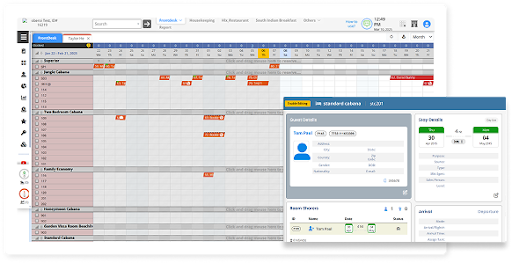
AxisRooms helps hotels centralize distribution and control room inventory, pricing, and bookings through a connected technology ecosystem. Its integrated solutions, like the channel manager, enable efficient management of partner-driven demand and support more informed revenue decisions.
Here’s how AxisRooms supports hotels handling DMC and group business:
- Channel Manager: Updates inventory and rates across multiple distribution channels in real time, helping hotels avoid overbookings and allocation conflicts when handling group reservations.
- OTA Integrations: Expand hotel visibility across leading online travel platforms while ensuring inventory remains synchronized across channels.
- PMS Integrations: Connects distribution with hotel operations, allowing reservation and availability data to flow easily between systems.
- Revenue Management Services: Help hotels optimize pricing strategies based on market demand, booking trends, and changing business conditions.
- Web Booking Engine: Supports commission-free direct bookings through the hotel website while maintaining pricing consistency across channels.
- Payment Gateway Integrations: Simplifies payment collection and booking confirmation processes for both individual and group reservations.
Regardless of whether bookings are made through DMCs, corporate groups, OTAs, or direct channels, AxisRooms enables hotels to maintain control over inventory distribution and make smarter revenue decisions.
Conclusion
Destination Management Companies do far more than coordinate travel logistics. They influence where groups stay, how events are planned, and which hotels benefit from high-value demand.
For hotels, the real opportunity lies in combining strong DMC partnerships with efficient distribution management. When inventory, pricing, and bookings remain connected, it’s easier to convert demand into revenue while maintaining control across every channel.
Ready to simplify inventory management across DMCs, OTAs, and direct booking channels? Book a free demo today and see how AxisRooms helps hotels stay in control of distribution and revenue.