

A guest checks in smoothly, receives a spotless room, enjoys dinner at the restaurant, and checks out without a problem. While it feels effortless to the guest, dozens of hotel departments work behind the scenes to make that experience possible.
Understanding hotel departments is important for improving efficiency, guest satisfaction, and profitability. Whether you’re running a boutique hotel, business hotel, or large resort, knowing how departments function and collaborate can help streamline operations and support better decision-making.
In this guide, we’ll explore the major departments in the hotel industry, their functions, reporting structure, and how modern hotels coordinate teams to deliver flawless guest experiences.
What Are Hotel Departments?
Hotel departments are specialised functional units that divide a hotel’s operations into areas such as front office, housekeeping, food & beverage, sales, and accounts. Each department manages specific responsibilities that contribute to smooth hotel operations and guest satisfaction.
Hotels organise operations into departments to improve specialization, accountability, and service quality. This structure helps teams work efficiently while delivering a consistent guest experience.
Hotel Departments Overview
While responsibilities vary across properties, most hotels follow a similar departmental structure. The table below provides a quick overview of the major hotel departments, their primary functions, and how they contribute to overall hotel operations.
| Department | Primary Function | Category |
| Front Office | Guest arrivals, departures, and reservations | Operations |
| Housekeeping | Room cleanliness and upkeep | Operations |
| F&B Service | Restaurants, room service, banquets | Revenue |
| Food Production | Food preparation and kitchen operations | Revenue |
| Sales & Marketing | Demand generation and bookings | Revenue |
| Events & Banquets | Weddings, conferences, and events | Revenue |
| Revenue Management | Pricing and inventory optimization | Revenue |
| Accounts & Finance | Financial management and reporting | Support |
| Human Resources | Recruitment and employee management | Support |
| Maintenance & Engineering | Property maintenance and repairs | Support |
| Security | Guest and asset protection | Support |
| Purchase & Procurement | Purchasing and vendor management | Support |
| Information Technology | Systems and infrastructure management | Support |
The Hotel Department Hierarchy (Org Chart)
Most hotels organize departments into three broad categories: revenue-generating departments, operations departments, and support departments. While reporting structures may vary by property size and type, all departments typically work under the supervision of department heads who report to the General Manager.

Figure: Typical hotel organizational structure, showing the relationship between management, revenue-generating departments, operations teams, and support functions.
Department-wise Hotel Uniforms & Grooming Standards
Hotel uniforms help maintain a professional brand image while making it easier for guests to identify staff members. Although uniform policies vary by property, most hotels follow department-specific dress codes and grooming standards to ensure consistency and professionalism.
| Department | Typical Uniform | Grooming Standard |
| Front Office | Formal suit, blazer, shirt, tie/scarf, name badge | Well-groomed appearance, neat hairstyle, professional presentation |
| Housekeeping | Comfortable housekeeping uniform with apron | Clean uniform, tied hair, minimal accessories |
| F&B Service | Formal service uniform, waistcoat, apron | Neat appearance, trimmed nails, polished shoes |
| Food Production (Kitchen) | Chef coat, apron, chef hat, safety shoes | High hygiene standards, hair restraints, clean attire |
| Sales & Marketing | Business formal attire | Professional corporate appearance |
| Security | Security uniform with identification badge | Well-maintained uniform and disciplined appearance |
Major Departments in the Hotel Industry and Their Functions
While every hotel operates differently, the core departments in the hotel industry remain largely consistent across properties. These departments work together to manage guest services, revenue generation, and day-to-day hotel operations.
Here are all the hotel departments listed with a brief description and core functions:
Front Office Department
The Front Office Department manages guest interactions from reservation to departure. As one of the most visible hotel service departments, it ensures smooth arrivals, efficient communication, and a positive guest experience throughout the stay.
Core Functions
- Reservations & Room Allocation: Manage bookings, room availability, and guest preferences.
- Check-in & Check-out: Handle arrivals, departures, billing, and payment processing.
- Guest Relations: Address inquiries, complaints, and special requests.
- Concierge Services: Assist guests with travel arrangements, local recommendations, and activities.
Key Roles
- Front Office Manager
- Receptionist / Front Desk Associate
- Guest Relations Executive (GRE)
- Bell Desk Staff
Why It Matters
As the hotel’s primary guest-facing team, the front office shapes first impressions, influences online reviews, and helps build guest loyalty.
Housekeeping Department
The hotel housekeeping department is responsible for maintaining cleanliness, hygiene, and room readiness across the property. It ensures guests enjoy a comfortable and well-maintained stay.
Core Functions
- Room Cleaning: Prepare and clean guest rooms according to hotel standards.
- Laundry & Linen Management: Maintain linen inventory, laundry operations, and replacements.
- Public Area Maintenance: Keep lobbies, corridors, and common areas clean and presentable.
- Lost & Found Management: Record, store, and return guest belongings left on the property.
Key Roles
- Executive Housekeeper
- Floor Supervisor
- Room Attendant
Why It Matters
Room cleanliness remains one of the strongest drivers of positive reviews, guest comfort, and return visits.
Food & Beverage (F&B) Service Department
The Food & Beverage (F&B) Service Department manages dining experiences across restaurants, bars, room service, and banquet venues. It plays a key role in guest satisfaction while generating significant non-room revenue.
Core Functions
- Restaurant Operations: Manage daily dining services and guest interactions.
- Room Service: Deliver food and beverages directly to guest rooms.
- Banquet Services: Coordinate food and service requirements for events and functions.
- Bar Operations: Oversee beverage service, inventory, and guest experience.
Key Roles
- F&B Manager
- Restaurant Captain
- Stewards
Why It Matters
Strong F&B operations encourage higher guest spend while adding value to the overall stay experience.
Food Production (Kitchen) Department
The Food Production Department, commonly known as the kitchen department, is responsible for preparing meals and maintaining food quality standards. It supports restaurants, room service, banquets, and catering operations across the hotel.
Core Functions
- Meal Preparation: Prepare food according to recipes, menus, and service requirements.
- Menu Planning: Design menus based on guest preferences, seasonality, and business goals.
- Food Safety: Maintain hygiene standards and compliance with food safety regulations.
- Cost Control: Manage food costs, portion sizes, and kitchen inventory efficiently.
Key Roles
- Executive Chef
- Sous Chef
- Commis Chef
Why It Matters
Consistent food quality helps strengthen brand reputation while supporting efficient dining operations.
Sales & Marketing Department
The Sales & Marketing Department drives hotel demand through promotional activities, partnerships, and distribution strategies. Its primary goal is to attract guests and maintain a steady flow of bookings throughout the year.
Core Functions
- Corporate Sales: Build relationships with businesses, travel agents, and group clients.
- OTA Strategy: Manage visibility and performance across online travel agencies.
- Digital Marketing: Drive traffic through SEO, social media, email, and paid campaigns.
- Brand Promotion: Strengthen brand awareness and market positioning.
Key Roles
- Sales Manager
- Marketing Manager
- Revenue Coordinator
Why It Matters
Effective sales and marketing efforts help hotels reach new audiences, strengthen demand, and maintain a healthy booking pipeline.
Events, Banquets & MICE Department
The Events, Banquets & MICE Department manages weddings, conferences, meetings, and large-scale events hosted by the hotel. It plays a vital role in generating revenue beyond room bookings, particularly for business and destination hotels.
Core Functions
- Weddings: Plan and execute wedding ceremonies, receptions, and related guest services.
- Conferences: Coordinate business meetings, seminars, and corporate gatherings.
- Corporate Events: Manage product launches, training programs, and company events.
- Outdoor Catering (ODC): Deliver food and event services at off-site venues.
Key Roles
- Banquet Manager
- Event Coordinator
- MICE Sales Executive
Why It Matters
Events and banquets create valuable revenue opportunities while making better use of hotel spaces and facilities.
What Is ODC in Hotels?
(ODC Full Form in Hotel is Out-Door Catering)
ODC (Outdoor Catering) refers to food and beverage services provided by a hotel outside its premises, such as weddings, corporate events, private parties, and social gatherings.
Many hotels use ODC services as an additional revenue stream alongside their restaurant and banquet operations.
Example: A hotel catering a wedding at a farmhouse or managing food service for a corporate event at an external venue.
Revenue Management Department
The Revenue Management Department focuses on maximizing hotel profitability through strategic pricing, inventory control, and demand forecasting. It helps hotels sell the right room to the right guest at the right price and time.
Core Functions
- Pricing Strategy: Set room rates based on demand, competition, and market conditions.
- Demand Forecasting: Predict future occupancy trends using historical and market data.
- Channel Performance Analysis: Evaluate booking performance across OTAs, direct bookings, and corporate segments to optimize distribution.
- Inventory Optimization: Allocate room inventory to maximize occupancy and revenue.
Key Roles
- Revenue Manager
- Revenue Analyst
Why It Matters
Strategic pricing and inventory decisions help hotels capture demand more effectively and improve revenue performance.
Accounts & Finance Department
The Accounts & Finance Department manages the hotel’s financial operations, ensuring accurate record-keeping, compliance, and cash flow management. It supports informed decision-making through financial reporting and analysis.
Core Functions
- Billing & Invoicing: Process guest payments, invoices, and financial transactions.
- Payroll Management: Handle employee salaries, benefits, and reimbursements.
- Audits: Review financial records to ensure accuracy and accountability.
- GST Compliance: Manage tax reporting and regulatory compliance requirements.
Key Roles
- Finance Manager
- Accountant
- Night Auditor
Why It Matters
Accurate financial oversight supports informed decision-making and sustainable business growth.
Human Resources Department
The Human Resources Department is responsible for recruiting, developing, and retaining hotel employees. It helps build a skilled workforce while ensuring compliance with labor policies and organizational standards.
Core Functions
- Recruitment: Source, hire, and onboard new employees.
- Training & Development: Improve employee skills through ongoing learning programs.
- Employee Engagement: Support workplace culture, motivation, and retention initiatives.
- Compliance: Ensure adherence to labor laws, policies, and workplace regulations.
Key Roles
- HR Manager
- Training Coordinator
Why It Matters
Skilled and engaged employees are essential for delivering reliable service and supporting long-term operational success.
Maintenance & Engineering Department
The Maintenance & Engineering Department ensures all hotel facilities, equipment, and infrastructure remain operational and safe. Its work helps prevent service disruptions and supports a comfortable guest experience.
Core Functions
- Electrical Systems: Maintain power supply, lighting, and electrical equipment.
- HVAC Management: Monitor heating, ventilation, and air conditioning systems.
- Plumbing: Address water supply, drainage, and sanitation requirements.
- Preventive Maintenance: Conduct routine inspections to reduce equipment failures.
Key Roles
- Chief Engineer
- Maintenance Technician
Why It Matters
Proactive maintenance helps keep facilities running smoothly and reduces unexpected service interruptions.
Security Department
The Security Department oversees safety, surveillance, access control, and emergency preparedness across the property. It works to prevent risks, respond to incidents, and protect both people and assets.
Core Functions
- Guest Safety: Ensure the safety and well-being of guests throughout their stay.
- CCTV Monitoring: Monitor surveillance systems and identify potential security risks.
- Emergency Response: Handle incidents, evacuations, and crisis situations effectively.
- Fire Safety: Conduct safety inspections and ensure compliance with fire regulations.
Key Roles
- Security Manager
- Security Officers
Why It Matters
A well-managed security function builds guest confidence, reduces operational risks, and helps hotels respond effectively to unexpected situations.
Manage All Your OTAs from One Place
Purchase & Procurement Department
The Purchase & Procurement Department manages the sourcing of goods and services required for daily hotel operations. It ensures departments receive supplies on time while maintaining quality standards and controlling costs.
Core Functions
- Vendor Management: Build and manage relationships with suppliers and service providers.
- Purchasing: Procure goods and services required across hotel departments.
- Inventory Procurement: Ensure timely availability of operational and guest supplies.
- Cost Control: Negotiate pricing and monitor purchasing expenses to improve profitability.
Key Roles
- Purchase Manager
- Procurement Executive
Why It Matters
Reliable procurement processes ensure departments receive the resources they need without unnecessary spending.
Information Technology (IT) Department
The Information Technology (IT) Department manages the systems and infrastructure that support modern hotel operations. From PMS connectivity to cybersecurity, it ensures technology runs reliably across departments.
Core Functions
- PMS Support: Maintain and troubleshoot property management systems used by hotel staff.
- Network Management: Ensure reliable internet, Wi-Fi, and internal network performance.
- Cybersecurity: Protect guest and business data from security threats and unauthorized access.
- System Integrations: Manage connectivity between PMS, channel managers, booking engines, POS systems, and other hotel software.
Key Roles
- IT Manager
- System Administrator
Why It Matters
Connected technology enables departments to share information effortlessly and respond faster to operational needs.
Hotel Department Structure in Small, Mid-Sized, and Large Hotels
The structure of hotel departments often depends on the size of the property. While larger hotels typically have dedicated teams for each function, smaller hotels often combine responsibilities across departments to operate more efficiently.
- Small Hotels (10–30 Rooms): Staff usually handle multiple responsibilities. A front desk employee may assist with reservations, guest relations, and basic administrative tasks, while managers often oversee several operational areas.
- Mid-Sized Hotels (30–80 Rooms): Hotels generally introduce separate department heads for key functions such as Front Office, Housekeeping, Food & Beverage, and Sales. Responsibilities become more specialized as operations grow.
- Large Hotels (80+ Rooms): Most departments operate independently with dedicated managers, supervisors, and staff. Functions such as Revenue Management, Human Resources, IT, Security, and Procurement are often managed as separate departments.
Revenue-Generating Departments in the Hotel Industry
While every department contributes to a hotel’s success, only a few directly generate revenue. For most properties, room revenue remains the largest income source, followed by food and beverage sales, events, and other ancillary services.
- Rooms Division (Front Office & Reservations): The primary revenue driver for most hotels, generating income through room bookings and occupancy.
- Food & Beverage (F&B): Restaurants, bars, room service, and catering services create valuable secondary revenue streams.
- Events, Banquets & MICE: Weddings, conferences, exhibitions, and corporate events can contribute significantly to hotel revenue, particularly in business and destination hotels.
- Revenue Management & Sales: These departments do not directly generate revenue but play a crucial role in maximizing occupancy, ADR, and overall profitability through pricing and distribution strategies.
Department-Wise Hotel KPIs Every Hotel Should Track
Hotel-wide metrics provide a snapshot of overall performance, but department-level KPIs reveal what’s happening behind the scenes. Tracking the right metrics helps managers identify improvement opportunities, measure results, and align teams with business goals.
- Front Office: Average check-in time and guest satisfaction scores to evaluate service speed and the arrival experience.
- Housekeeping: Room turnaround time and room readiness rate to measure room availability and workflow effectiveness.
- Food & Beverage: Average revenue per cover and guest feedback scores to track dining performance and guest preferences.
- Sales & Marketing: Booking conversion rate and campaign performance to assess demand generation and marketing impact.
- Revenue Management: RevPAR, ADR, and occupancy rate to monitor pricing strategy and revenue outcomes.
- Human Resources: Employee retention and training completion rates to evaluate workforce stability and team development.
- Maintenance & Engineering: Equipment downtime and maintenance response time to measure facility reliability and issue resolution speed.
How to Build a High-Performing Hotel Department Structure
A successful hotel department structure is not just about creating teams; it’s about ensuring every department works toward the same operational and revenue goals. The following steps can help hotels build a more efficient and collaborative operation.
Step 1: Define Clear Roles and Responsibilities
Clearly document responsibilities, reporting lines, and performance expectations for every department. This reduces confusion, improves accountability, and helps teams work more efficiently.
Step 2: Standardize SOPs Across Departments
Create standard operating procedures (SOPs) for key processes such as check-ins, housekeeping, maintenance requests, and guest service. Consistent procedures help maintain service quality across shifts and teams.
Step 3: Improve Communication Between Teams
Encourage regular communication between departments such as Front Office, Housekeeping, Maintenance, and F&B. Better coordination reduces delays and improves the guest experience.
Step 4: Track Department Performance with KPIs
Monitor department-specific KPIs such as room turnaround time, guest satisfaction scores, occupancy, ADR, and RevPAR to identify improvement opportunities and support data-driven decisions.
Step 5: Invest in the Right Technology
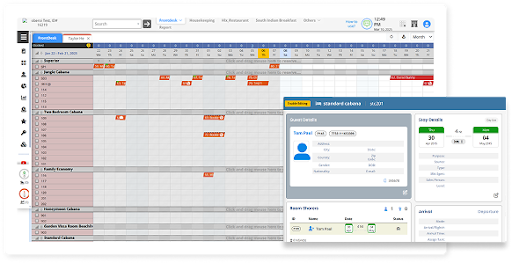
Modern hotels rely on connected systems to keep departments aligned. Solutions like Hotelogix PMS help centralize front desk, housekeeping, reservations, and reporting, while AxisRooms supports distribution, channel management, and revenue optimization through real-time connectivity.
How AxisRooms Connects Hotel Departments, Distribution, and Revenue
Managing hotel departments efficiently is easier when teams work from connected systems instead of disconnected processes.
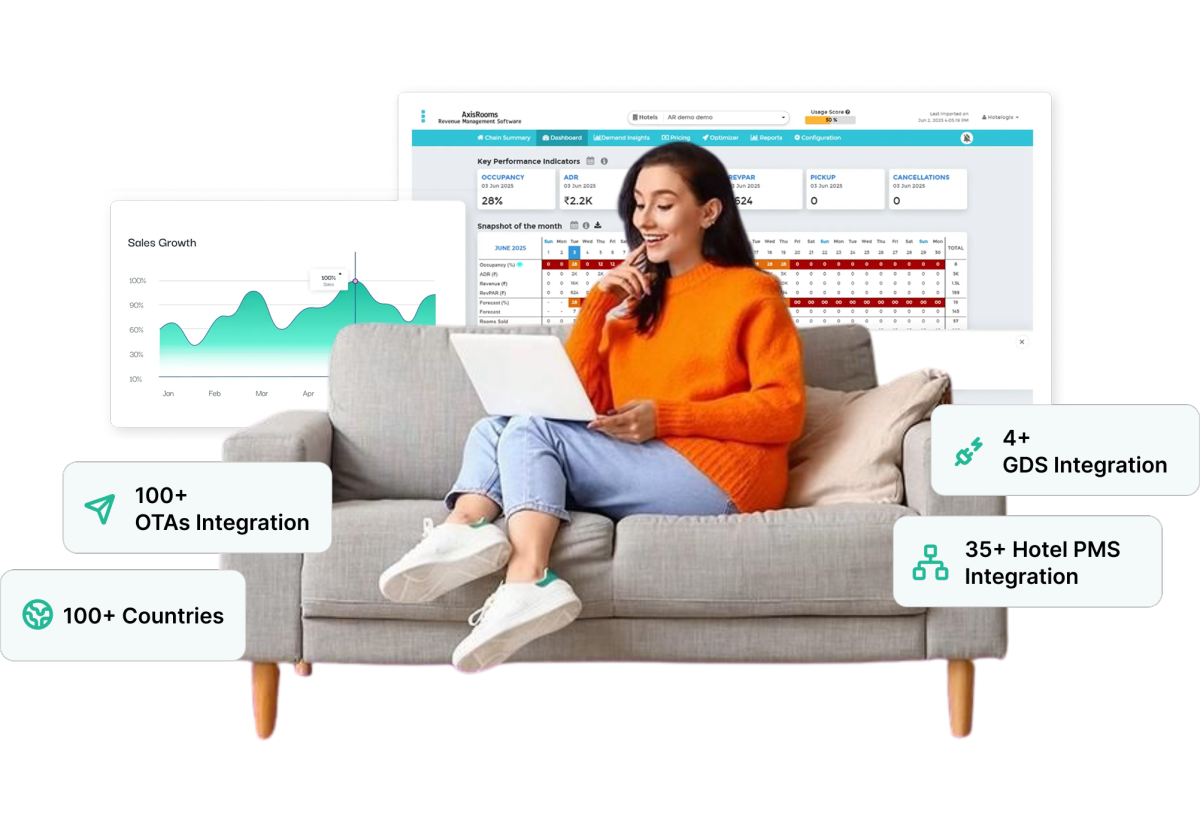
AxisRooms helps hotels streamline distribution, improve visibility, and maximize revenue by connecting reservations, pricing, inventory, and booking channels through a single ecosystem.
- 100+ OTA Integrations: Sync rates, inventory, and availability across multiple online travel agencies in real time.
- PMS Integrations: Connect operational departments with reservations and distribution for smooth data flow.
- Payment Gateways: Simplify guest payments and support secure, frictionless transactions.
- Channel Manager: Centralize inventory management and prevent overbookings across booking channels.
- Revenue Management Services: Support smarter pricing decisions based on demand, market trends, and performance data.
- Web Booking Engine: Enable direct bookings through your hotel website while reducing OTA dependency.
Together, these solutions help hotels improve operational coordination, increase revenue opportunities, and deliver a more connected guest experience.
Conclusion
Successful hotels aren’t built around a single department. They’re built around teams that work together to deliver consistent guest experiences, support business goals, and adapt to changing market demands.
As operations become more connected and data-driven, having the right structure, processes, and technology in place becomes increasingly important.
Ready to improve coordination, visibility, and revenue performance across your hotel? Book a free demo today and discover how AxisRooms can help your teams work smarter together.