

A guest makes up their mind about your hotel in seconds, not from the room but from the lobby.
Your hotel lobby is the first space guests experience and often the one they remember most. From lighting and furniture to layout, music, and décor, every detail influences how guests perceive your property. A well-designed hotel lobby can strengthen first impressions, improve guest satisfaction, encourage positive reviews, and even create new revenue opportunities.
In this guide, we’ll explore hotel lobby design ideas, interior styles, furniture choices, design trends, and practical ways to create a lobby that enhances both guest experience and hotel performance.
What is a Hotel Lobby? Meaning, Purpose, and Why It Matters
A hotel lobby is the main entrance and central communal space of a hotel where guests check in, wait, socialize, meet, work, or relax during their stay. It serves as both an operational hub and a key part of the guest experience.
The hotel lobby is often the first physical interaction a guest has with a property. It sets expectations for the stay, reflects the hotel’s brand, and influences how guests perceive service quality from the moment they arrive.
The purpose of a hotel lobby is to:
- Welcome and orient guests when they arrive
- Support check-in, check-out, and guest services
- Provide a comfortable space for waiting, meetings, or social interaction
- Create a memorable first impression that strengthens guest satisfaction

- Image: Key components commonly found in a hotel lobby, including reception, guest seating, concierge services, navigation, food and beverage areas, and brand-focused design elements
Today, the hotel lobby has evolved beyond a reception area. Modern hotel lobby design often incorporates workspaces, cafés, lounge seating, retail corners, and digital guest services, making it one of the most valuable spaces within a hotel.
What Makes a Great Hotel Lobby Design? The 7 Core Elements
A successful hotel lobby design balances aesthetics, functionality, and guest comfort. These seven elements shape how guests experience your property from the moment they arrive.
- Lighting: Lighting influences mood, comfort, and perceived quality. Warm lighting (2700K–3000K) creates a welcoming atmosphere, while cooler lighting (3500K–4000K) works well in modern or business-focused hotels.
- Flooring: Flooring should be durable, easy to maintain, and aligned with your hotel’s design theme. Materials such as marble, stone, wood, and luxury vinyl are common choices.
- Color Palette: Colors help define the personality of a hotel lobby. Neutral tones create a timeless look, while accent colors can reinforce brand identity and local character.
- Furniture: Comfortable, functional furniture encourages guests to relax, socialize, or work. Flexible seating arrangements also help hotels accommodate changing guest needs and events.
- Fragrance and Scent Branding: A signature scent can make a hotel more memorable and contribute to a stronger emotional connection with guests.
- Signage and Wayfinding: Clear signage helps guests navigate the property easily, reducing confusion and improving the overall arrival experience.
- Front Desk Design: The front desk remains a focal point of the hotel lobby. Modern designs increasingly combine welcoming service with digital check-in options to reduce wait times and improve efficiency.
Hotel Lobby Interior Design: Styles and Themes Design Inspirations
Your hotel lobby interior design should reflect your brand, target guests, and the experience you want to create. A thoughtfully planned hotel lobby interior helps shape guest perceptions while reinforcing your property’s identity. Here are some of the most popular hotel lobby design styles used today:
- Minimalist: Focuses on clean lines, neutral colours, uncluttered spaces, and functional furniture to create a calm and sophisticated atmosphere.
- Biophilic: Brings nature indoors through plants, natural materials, water features, and abundant daylight to create a relaxing guest environment.
- Heritage: Incorporates local architecture, traditional craftsmanship, and cultural elements that help guests connect with the destination.
- Contemporary: Combines modern materials, flexible layouts, and subtle technology integration to create a fresh and adaptable hotel lobby interior.
- Luxury: Uses premium finishes, statement lighting, bespoke furniture, and curated artwork to deliver an elevated and memorable
guest experience.

Hotel Lobby Furniture: How to Choose, Arrange, and Future-Proof Your Investment
The hotel lobby layout and furniture arrangement should do more than look attractive. The right furniture supports guest comfort, improves traffic flow, accommodates different guest needs, and allows the space to adapt for events, meetings, and changing operational requirements.
| Consideration | What to Focus On |
| Furniture Style | Choose furniture that aligns with your hotel’s brand, guest profile, and overall lobby interior design. |
| Layout Planning | Arrange seating to create clear pathways between the entrance, reception, elevators, and guest facilities. |
| Traffic Flow | Avoid bottlenecks around check-in areas and ensure guests can move comfortably through the space. |
| Zoning | Create dedicated areas for waiting, working, socializing, and informal meetings. |
| Flexible Seating | Use modular furniture that can easily adapt to different guest groups and occupancy levels. |
| Event Readiness | Select furniture that can be reconfigured quickly for weddings, conferences, and social events. |
| Budget Refresh | Refresh upholstery, décor, lighting, and accessories without major structural changes. |
| Mid-Scale Renovation | Replace furniture, improve layouts, and update finishes to modernize the lobby experience. |
| Luxury Fit-Out | Invest in bespoke furniture, premium materials, designer lighting, and signature design features. |
Hotel Lobby Music: How Sound Shapes Guest Experience and Atmosphere
Hotel lobby music influences how guests feel, move, and interact within a space. The right soundtrack can reinforce your brand, improve comfort, and create a more memorable arrival experience.
| Factor | Impact on Guest Experience |
| Tempo | Slower music encourages relaxation, while faster music creates energy and movement. |
| Guest Psychology | Music influences mood, perceived waiting time, and overall comfort. |
| Music by Hotel Type | Luxury hotels often favour instrumental or classical music, while lifestyle properties may choose contemporary playlists. |
| Soundscape Design | The best lobbies balance music with ambient sounds, avoiding excessive volume or distractions. |

Hotel Lobby Flower Arrangements: Creating a Sensory Welcome That Guests Remember
Flowers are often one of the first details guests notice when they enter a lobby. Thoughtfully designed hotel lobby flower arrangements help add warmth, character, and a stronger sense of welcome.
- Fresh vs Artificial Flowers: Fresh flowers offer authenticity and fragrance, while high-quality artificial arrangements provide consistency and lower maintenance costs.
- Seasonal Flowers: Rotating arrangements based on seasons or local events keep the hotel lobby feeling fresh and relevant throughout the year.
- Luxury Floral Displays: Premium hotels often use large statement arrangements as focal points that reinforce a sense of elegance and exclusivity.
- Scent Considerations: Floral fragrances should enhance the guest experience without becoming overpowering, especially in enclosed lobby spaces.
Luxury Hotel Lobby Design: What 5-Star Properties Do Differently
Guests may not remember every design detail, but they remember how a space made them feel. The best luxury hotel lobbies combine design, service, and storytelling to create a memorable sense of arrival.
- Luxury Experience Design: Every detail, from arrival flow to seating placement, is intentionally designed to create comfort and exclusivity.
- Service Anticipation: Staff is positioned and trained to recognize guest needs before they are expressed, creating effortless experiences.
- Art and Cultural Curation: Luxury properties often use artwork, local craftsmanship, and design storytelling to create a stronger connection with the destination.
- Premium Materials and Finishes: Natural stone, handcrafted furniture, statement lighting, and high-quality finishes contribute to a sense of refinement and permanence.
Luxury Hotel Lobby Examples
Taj Mahal Palace, Mumbai, blends heritage architecture, grand floral displays, and curated artwork to create a lobby that reflects both luxury and Indian history.
ITC Grand Chola, Chennai, uses dramatic scale, traditional South Indian influences, and premium materials to create a memorable sense of arrival.
The Leela Palace combines contemporary luxury with regional design elements, creating elegant spaces that feel both sophisticated and welcoming.
Takeaway: The best luxury hotel lobby design is not about spending more; it’s about creating intentional experiences that guests remember long after they leave.

Hotel Lobby ROI: How Design Impacts Reviews, Revenue, and Repeat Bookings
Guests form opinions about a hotel within moments of arrival. Those impressions often influence review scores, spending behaviour, and the likelihood of returning.
While rooms generate revenue, the hotel lobby often shapes the perception that drives it, making it one of the most overlooked revenue drivers in hospitality.
How Hotel Lobby Design Impacts Performance
| Area | Business Impact |
| Review Scores | Strong first impressions often influence guest satisfaction and online ratings. |
| OTA Visibility | Better reviews can improve visibility and conversion performance on OTAs. |
| RevPAR | Improved guest perception can support stronger pricing power and revenue performance. |
| Repeat Bookings | Memorable arrival experiences encourage loyalty and return visits. |
| Ancillary Revenue | Well-designed lobbies create opportunities for additional spending. |
Revenue Opportunities
- Lobby Cafés: Generate additional revenue while creating a social gathering space.
- Retail Corners: Offer local products, souvenirs, or convenience items for guests.
- Upselling Opportunities: Promote room upgrades, experiences, spa services, or dining offers during check-in.
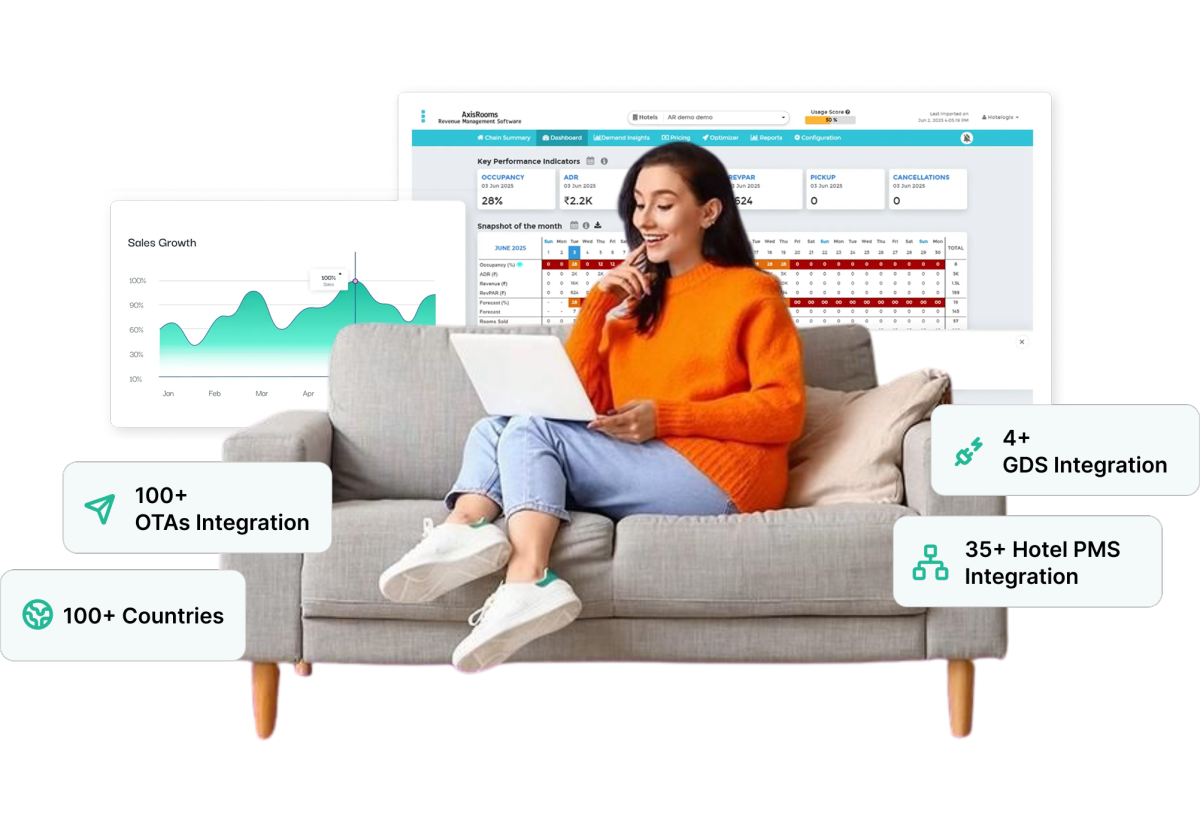
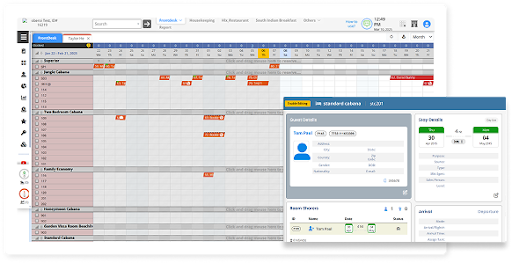
An inviting lobby draws guests in, but it is the integrated technology that truly provides the exceptional experience they desire. AxisRooms facilitates this through comprehensive OTA and PMS integrations, an efficient channel manager, effective revenue management services, and a user-friendly web booking engine.
Manage All Your OTAs from One Place
Hotel Lobby Design Ideas for Indian Hotels: 8 Budget-Friendly Ways to Improve Guest Experience
Many independent hotels in India operate with tighter renovation budgets than large international chains. The good news is that improving guest perception doesn’t always require a major redesign. Small upgrades in décor, ambience, furniture, and local storytelling can have a surprisingly large impact.
- Use Local Materials and Regional Design Elements
Incorporate locally sourced stone, wood, textiles, or artwork to create a distinctive identity while keeping costs under control. Regional aesthetics often feel more authentic than generic décor.
- Refresh Your Lobby with Budget-Friendly Décor
Simple updates such as new cushions, wall art, lighting fixtures, or indoor plants can instantly modernize a hotel lobby without major investment.
- Add Seasonal Flower Arrangements
Fresh flowers create a welcoming atmosphere and help guests associate your property with care and attention to detail.
- Use Marigold and Jasmine for Local Appeal
Marigold and jasmine arrangements are affordable, visually appealing, and culturally familiar, making them popular choices for Indian hotel lobbies.
- Create a Consistent Lobby Ambience Through Music
Soft instrumental or regional music can make the space feel more welcoming while reinforcing your hotel’s personality and guest experience.
- Choose Flexible and Multi-Purpose Furniture
Modular seating can support different guest needs throughout the day, from waiting areas and informal meetings to group gatherings and events.
- Design for Easy Maintenance
When selecting furniture, décor, and flooring, prioritize durability and ease of upkeep to reduce long-term operational costs.
- Plan for Tier 2 and Tier 3 Hotel Realities
Smaller hotels often face staffing, maintenance, and budget constraints. Focus on upgrades that are practical, easy to maintain, and deliver visible guest impact.
Key takeaway: Great hotel lobby design is not about spending more; it’s about making thoughtful choices that improve guest comfort, strengthen first impressions, and support your brand experience.
Hotel Lobby Design Trends for 2026
Hotel lobby design trends in 2026 are focused on flexibility, technology, sustainability, and creating more meaningful guest experiences. The most successful hotel lobbies are no longer just arrival spaces; they are becoming social, work, and revenue-generating hubs.
- Multi-Use Lobby Spaces: Hotels are designing lobbies that can function as workspaces, social areas, meeting spots, and event venues throughout the day.
- Biophilic Design: Natural materials, indoor greenery, living walls, and increased daylight continue to grow in popularity as hotels prioritize guest well-being.
- Digital Check-In Experiences: Self-service kiosks, mobile check-in, and contactless arrival journeys help reduce wait times and improve convenience.
- Local Storytelling: Hotels are increasingly using regional art, culture, and design elements to create a stronger sense of place and authenticity.
- Sustainable Design Choices: Energy-efficient lighting, recycled materials, and environmentally conscious décor are becoming standard across new lobby projects.
- Smart Lobby Technology: Connected systems, digital signage, intelligent lighting, and integrated guest technologies help create smoother experiences and more efficient operations.
How AxisRooms Helps Hotels Deliver Smooth Guest Experiences from Booking to Arrival
A great hotel lobby creates a strong first impression, but the guest experience begins much earlier. From discovering your property online and comparing rates to making a reservation and completing payment, every step of the booking journey shapes guest expectations before arrival.
AxisRooms helps hotels manage these critical pre-arrival touchpoints by connecting distribution, OTA bookings, inventory, pricing, and payments through one integrated platform.
- OTA Integrations: Keep rates, inventory, and availability synchronized across multiple booking channels.
- PMS Integrations: Connect hotel operations and distribution systems for a smoother workflow.
- Payment Gateways: Enable secure and convenient payment experiences for guests before arrival.
- Channel Manager: Manage inventory and pricing across channels from a single platform while reducing overbooking risks.
- Revenue Management Services: Support smarter pricing decisions based on demand, market trends, and booking patterns.
- Web Booking Engine: Drive more direct bookings through a fast and user-friendly booking experience on your hotel website.
When guest experience and hotel technology work together, hotels can improve operational efficiency, strengthen guest satisfaction, and create more opportunities for long-term revenue growth.
Conclusion
A hotel lobby is far more than a waiting area; it’s the space where first impressions are formed, expectations are set, and guest experiences begin. Whether you’re making small upgrades or planning a complete renovation, the most successful lobbies are designed around how guests feel, move, and interact within the space.
The most successful hotel lobbies balance design, comfort, functionality, and technology to deliver effortless guest experiences from arrival to departure.
Want to create smoother guest journeys before guests even reach the lobby? Book a free demo today with AxisRooms and discover how connected hotel technology can help improve distribution, guest experience, and revenue performance.